


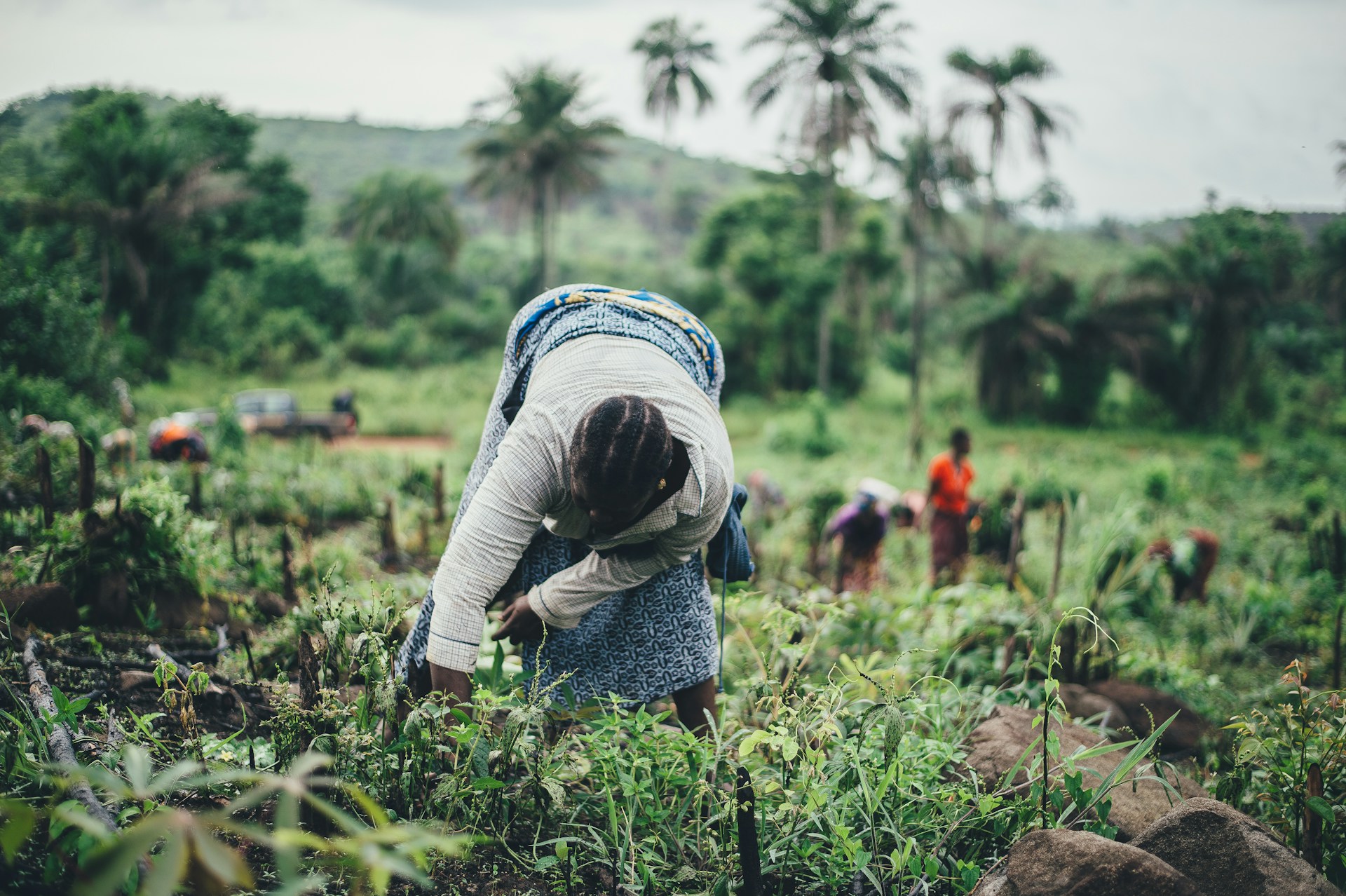

Rwanda naturally has very fertile terrain due to its nutrient-rich volcanic soil. By many estimates, more than half of the country’s land is arable. However, despite this advantage, the country imports a significant amount of food. Foodstuffs account for more than 20% of all imports into Rwanda. To address food insecurity, Rwanda needs to better capitalize on its arable land and increase domestic food production. This makes innovations in agricultural technology, helping Rwandans increasingly vital for sustainable development.
Sustainable Agricultural Technology in Action
One way Rwandans are addressing food insecurity is through the adoption of a new sustainable agricultural technology called Juncao. Developed at Fujian Agriculture and Forestry University in China, Juncao technology involves using chopped grass to cultivate edible mushrooms that both humans and livestock can consume. This method is not only more affordable but also more environmentally friendly compared to traditional mushroom farming techniques that are wood-based instead.
Since its development, Juncao has spread to more than 100 countries, including Rwanda, where it is helping to improve food security and sustainable farming practices. This form of agricultural technology helping Rwandans has been widely supported by the Chinese government under the Belt and Road Initiative (BRI), a vast infrastructure and development strategy aimed at enhancing global connectivity, trade and cooperation across Eurasia, Africa and Latin America.
Impact of Agricultural Technology
Juncao technology has proven highly beneficial in Rwanda, where it is affectionately known as “the happiness herb.” The new agricultural technology’s introduction has been a collaborative effort between local Rwandan government officials and experts from Fujian Agriculture and Forestry University. As of 2025, Juncao has reached more than 4,000 Rwandan farmers and has generated thousands more jobs across the agricultural value chain.
Juncao technology has also been introduced into schools as a way to improve the diets of Rwandan children. The mushrooms grown using this method are rich in nutrients comparable to those found in meat, yet are significantly more affordable. This makes it possible for children to receive essential nutrients even when families cannot afford animal-based protein, contributing to better health and development outcomes among school-aged children. By showcasing agricultural technology that supports Rwandans at both household and institutional levels, projects like Juncao are paving the way for a healthier and more food-secure population.
Looking Ahead
Introducing nutritious, affordable foods such as Juncao mushrooms into schools improves children’s health and encourages higher attendance. Reliable, healthy meals help students stay in school, focus in class and perform better academically. Higher educational attainment can open a path out of poverty, equipping the next generation with the skills and opportunities to build more resilient, self-sufficient communities.
– William Brentani
William is based in San Francisco, CA, USA and focuses on Technology and Solutions for The Borgen Project.
Photo: Unsplash
link