

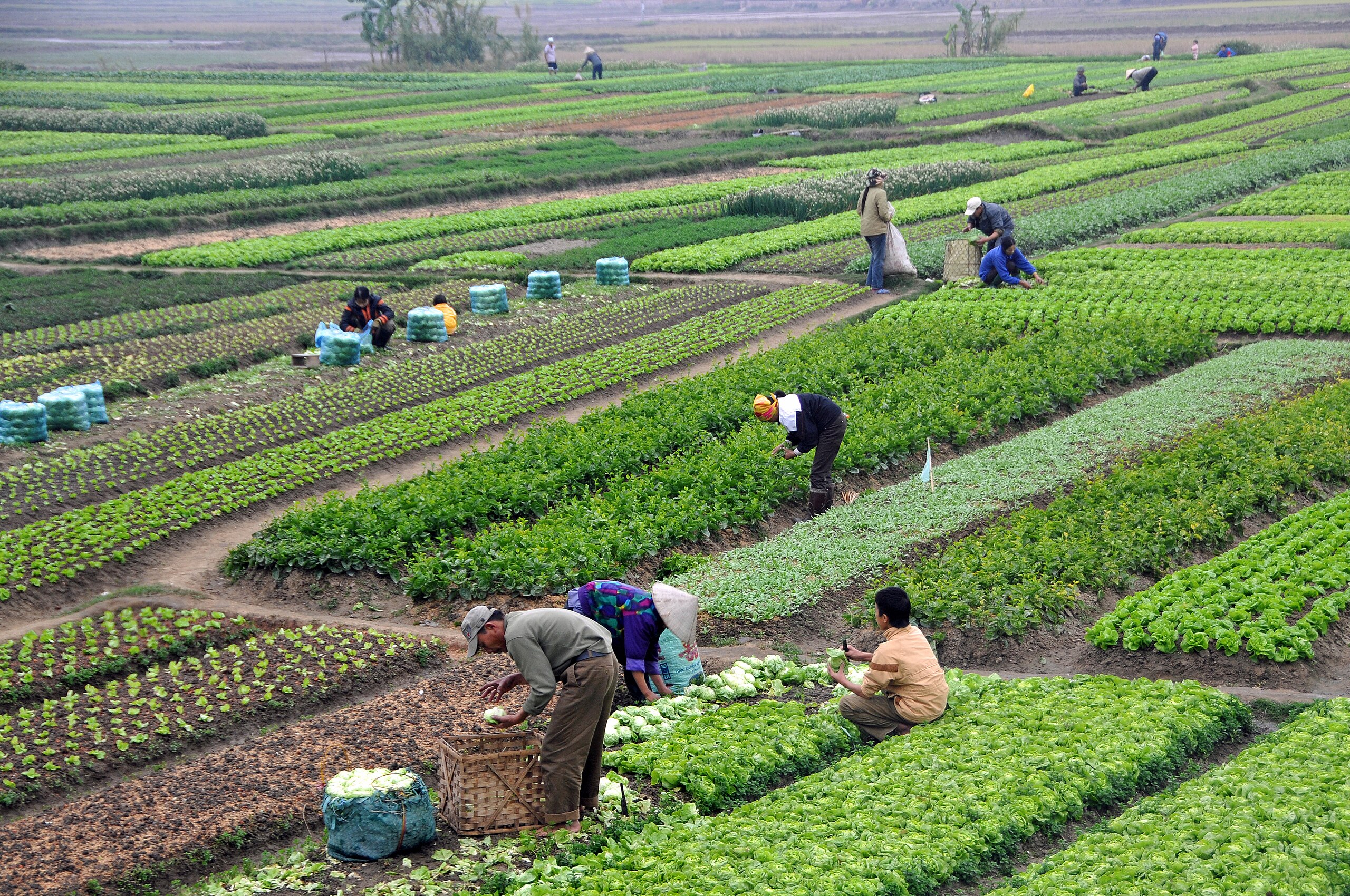
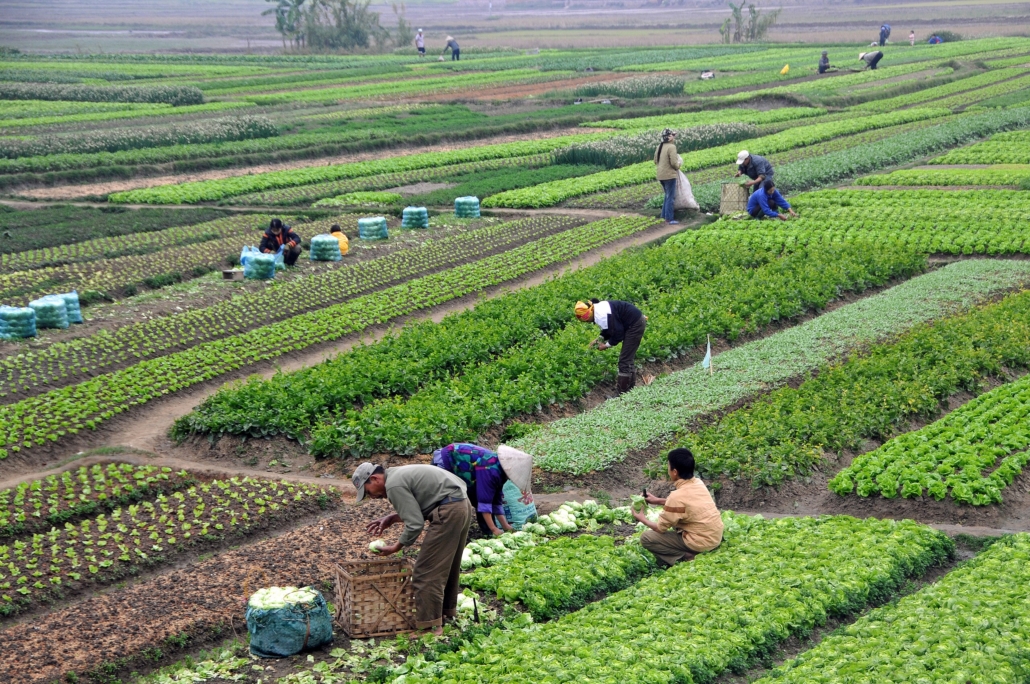
 Food systems in Vietnam have seen massive change in recent history. The country has witnessed significant agricultural growth over the last 30 years, which has undoubtedly alleviated the nation’s socioeconomic status. It has massively reduced food insecurity, contributed to a decline in poverty and also fostered an increasingly export-oriented economy – a major source of labor opportunities for the wider population. That said, food systems in Vietnam are not immune to the general plights of global agriculture in today’s world.
About Food Insecurity in Vietnam
Although Vietnam is a major food exporter, around 10–11% of its population still faces moderate or severe food insecurity, mainly in rural and ethnic minority communities. The impact of changing weather patterns – causing fluctuating weather, saltwater intrusion and exposure to floods or droughts – is a culprit guilty of destabilizing Vietnamese agricultural production.
An aging workforce and declining productivity among its labor pool. In Vietnam, the average age of farmers has risen significantly in recent years, and its general agricultural labor force has been shrinking.
Challenges in supply chain issues, which the agricultural industry is particularly susceptible to due to fragmented production, frequent changes in season or weather, issues with storage and food maintenance, etc. This is especially true in Vietnam where, in 2017, the World Bank put out a report detailing the weaknesses of Vietnam’s agricultural supply chains and the costly consequences for the nation’s GDP. The report stated that, “the main constraint on Vietnam’s agriculture supply chains is the lack of an integrated, end-to-end supply chain model, according to Mr. Julien Brun, Managing Partner at CEL Consulting.” These all disrupt production and access to nutritious food, leaving vulnerable groups at risk despite the nation’s agricultural growth.
The Rise of AgTech
What the World Bank recommends – and what is generally becoming not simply a need, but a requirement for a competitive agricultural market – is a rise in agricultural technology: to increase productivity, to keep track of and forewarn of market or natural fluctuations and to facilitate logistical efficiency.
Fortunately for Vietnam, while it is not immune to global agricultural issues, it is also not immune to global agricultural solutions. Agrifoodtech investment in developing markets reached $3.7 billion in 2024, surging a remarkable 63% year-over-year (YoY) and bucking the 4% decline observed in the agrifoodtech sector at the global level.
Techcoop
One of the leading firms in this Agtech revolution is a small startup by the name of Techcoop, which sees 2025 as its year of stardom—both in terms of funding and public recognition. According to the website TechInAsia, “This Series A round is one of the largest in Vietnam’s agritech sector, reflecting the growing demand for tech-driven agriculture solutions.”
What Techcoop does is address one of the main hindrances to supply chain issues in Vietnam’s agricultural industry, which, as aforementioned, the World Bank reported to be one of the sector’s major issues: namely supply chain and logistics inefficiency. Techcoop enables an integration of data into the agrarian world of farming through, among other things:
- Codifying purchase agreements between the agribusiness, farmer-owned cooperatives, and the farmers, including key clauses such as advance payment, payment terms, committed volumes, price, quality standards, etc.
- Facilitating fund distribution from partner financial institutions to agribusinesses, cooperatives and farmers for specific purposes.
- Monitoring and enforcing contractual commitments through field and transactional data collection.
Techcoop is on the forefront not simply of Agtech, but also operates at its intersection with financial and legal technology facilitating the movement of financial funds and the drafting of contracts.
Supply Chain Efficiency
This work of easing and improving supply chain efficiency has allowed Techcoop to address Vietnam’s logistical shortcomings. With how small-scale farming can be, agribusiness and local farmers have often been fragmented or lacking in their communication. Techcoop offers data analytics and tracking to mediate between them – allowing for a quantification of production to track the progress of contractual obligations, with data offered as an efficient and understandable language between various actors in the supply chain. This is increasingly important to consumers who more and more want greater farm-to-shelf traceability. Techcoop enables this through allowing for easier tracking of actors and processes within the complex agricultural supply chain.
AgTech’s Role in Vietnam’s Trading Shifts
Startups like Techcoop that are participating in and forming this agritech revolution are going to be increasingly vital given the global shock to trade that Trump’s “Liberation Day” tariffs represented. Vietnam, having recently made a deal with Trump, opted to reduce U.S. tariffs on most goods to 20%, down from the previous 46% – but only in exchange for a 0% tariff on U.S. exports to Vietnam. This represents a major shift in Vietnam’s agricultural sector, which now has to compete with U.S. agricultural goods on home turf. Now, more than ever, Agtech matters in ensuring Vietnam’s agricultural productivity remains at a competitive level – particularly when facing U.S. goods paired with their own surge in agricultural technological innovation. Techcoop and companies like it will increasingly become the go-to solution for sustaining food systems in Vietnam – one of the nation’s most vital sectors.
– Inaam Munsoor
Inaam is based in Edinburgh, Scotland and focuses on Business and Politics for The Borgen Project.
Photo: Wikimedia Commons
link